Introduction
The car battery is one of the most important components in a vehicle, but surveys show that many people tend to pay attention to it only when their car won’t start. Therefore, familiarizing yourself with these battery brands can save you a lot of time, money, and hassle. Choosing a reliable car battery is about more than just brand recognition. Behind every high-performance car battery lies a series of quantifiable performance metrics, such as cold cranking amps (CCA), reserve capacity (RC), cycle life, internal resistance, charge/discharge efficiency, and temperature stability.
If you’re wondering, “Which car battery brand should I choose?” This article will introduce several well-known automotive battery brands and further analyze how battery manufacturers, laboratories, and new energy vehicle companies use specialized battery testing equipment to evaluate battery performance.
Top 10 Car Battery Brands
| Brand | Battery Type / Application | Key Performance Tests | Recommended Testing Solution |
|---|---|---|---|
| Optima | AGM Starting & Deep-Cycle Batteries | CCA, Reserve Capacity (RC), Cycle Life, Internal Resistance, Deep Discharge Recovery | Low-Voltage High-Current Battery Charge/Discharge Test System |
| Odyssey | TPPL AGM High-Performance Batteries | High-Rate Discharge, Cold Cranking Performance, Cycle Life, Internal Resistance | High-Precision Battery Cycler / Battery Life Cycle Test System |
| ACDelco | OEM Automotive Replacement Batteries | Starting Performance, Capacity, Internal Resistance, Temperature Stability | Automotive Battery Performance Test System |
| Bosch | AGM / EFB Automotive Batteries | CCA, Reserve Capacity, Charge/Discharge Efficiency, Temperature Testing | Battery Charge/Discharge Test System with Temperature Chamber |
| XS Power | High-Current & Car Audio Batteries | High-Current Discharge, Voltage Stability, Heat Generation, Recovery Performance | High-Current Battery Test System / Battery Module Test System |
| DieHard | AGM Start-Stop Batteries | Start-Stop Cycle Testing, Charge Acceptance, Cycle Life | Battery Life Cycle Test System / EV Battery Test System |
| Interstate | Long-Life Automotive Replacement Batteries | Capacity Retention, Cycle Life, Internal Resistance Growth | Battery Life Cycle Testing System |
| Motorcraft | Ford OEM Batteries | OEM Compliance, Starting Performance, Quality Consistency | Production QC Test System / Battery Test Software |
| EverStart | Economy Replacement Batteries | Capacity, Starting Performance, Reserve Capacity, Short Cycle Life | Standard Battery Charge/Discharge Test System |
| Antigravity | Lithium Starting & Racing Batteries | High-Rate Discharge, BMS Validation, Temperature, Safety, Cycle Life | Lithium Battery Test System / EV Battery Test System / Battery Pack Test System |
Optima
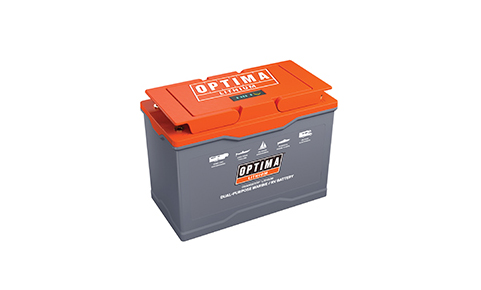
Optima is one of the most iconic brands in the automotive battery industry, largely thanks to its innovative spiral AGM (Absorbent Glass Mat) technology. Compared to traditional flat-plate lead-acid batteries, it offers greater deep-discharge tolerance, more stable discharge current, and stronger shock resistance.
In terms of product lines, the RedTop and YellowTop series are widely used in vehicles requiring strong starting power, high vibration resistance, and stable power supply.
Optima batteries are known for their SpiralCell AGM technology, which offers excellent cold-start performance and outstanding vibration resistance. During validation, engineers typically focus on metrics such as cold-start capability, reserve capacity, internal resistance, and cycle life. These tests help determine whether the battery can operate reliably under harsh conditions.
Odyssey
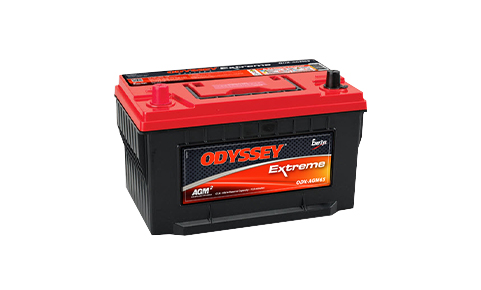
Odyssey is widely regarded as one of the highest-performing automotive battery brands on the market. The brand utilizes Thin Plate Pure Lead (TPPL) AGM technology, which enhances the battery’s power output, cold-weather starting performance, and long-term service life.
Odyssey batteries are typically suited for applications that demand high reliability, long service life, and stable power delivery, such as high-performance vehicles, commercial vehicles, and equipment requiring frequent starting. To maximize service life, Odyssey also recommends using a smart charger to maintain optimal charge status, particularly for vehicles that are not driven frequently. Although its price is typically higher than that of mainstream alternatives, the combination of long life, high performance, and stability makes it a premium choice for users who prioritize reliability over initial performance.
Odyssey batteries are specifically designed for applications requiring starting power and deep-cycle capabilities. The performance of Odyssey batteries is verified through high-current discharge tests, cycle tests, reserve capacity tests, and vibration tests. All of these tests ensure that the battery’s service life remains unaffected even during deep discharge.
ACDelco
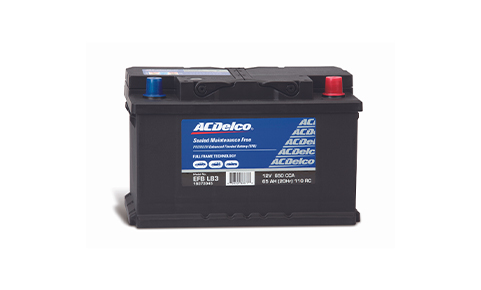
The ACDelco battery product line is widely recognized as one of the most reliable brands in the North American OEM market. It is extensively used in vehicles from General Motors (GM) brands such as Chevrolet, GMC, Buick, and Cadillac, and boasts a strong OEM background and technical expertise. In particular, its high-end AGL series (i.e., the “Gold” and “Professional” models) utilizes advanced absorbent glass mat (AGM) technology, offering excellent vibration resistance and exceptional cycle life, and is capable of maintaining stable starting power output in extreme high- and low-temperature environments. The main advantages of ACDelco batteries are: high compatibility with original equipment vehicle systems; stable starting performance; and reliability in daily use.
Compared to some high-end AGM battery brands that emphasize extreme performance, ACDelco places greater emphasis on meeting the long-term, stable usage needs of ordinary vehicles, making it a common choice in the OEM replacement market.
As an original equipment supplier for numerous General Motors models, ACDelco has always placed a high priority on consistent performance. Engineers typically evaluate a battery’s charge acceptance, starting performance, reserve capacity, and durability over multiple charge-discharge cycles.
Bosch
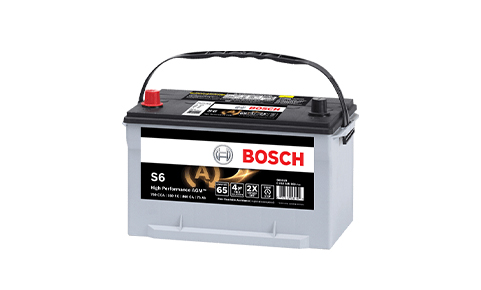
Bosch is one of the world’s leading automotive parts suppliers, with extensive influence in automotive electronics, electrical systems, and powertrain-related technologies. Bosch’s AGM batteries are renowned for their robust construction, reliable cold-cranking performance, and excellent performance in daily use. While Bosch batteries are not known for extreme performance, they are durable, safe, and reliable. For the average driver, Bosch batteries are typically suitable for applications where stable performance and the assurance of a well-established brand are desired.
Bosch batteries are widely used in passenger cars and start-stop systems, applications that require consistent and stable performance on a daily basis. During product validation, the focus is always on voltage stability, cold-start capability, reserve capacity, and charging efficiency. The goal is not to maximize a single parameter, but to achieve a comprehensive balance of performance.
XS Power
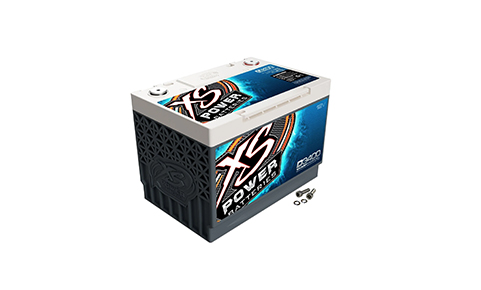
XS Power is a battery specifically designed for car audio systems and is highly regarded in applications requiring high-current discharge. These batteries are primarily intended for applications that require rapid delivery of large amounts of electrical energy, such as:
High-power audio systems; modified electrical systems; high-performance race cars. Unlike standard automotive replacement batteries, XS Power places greater emphasis on maintaining stable voltage output under high-load conditions.
XS power batteries are specifically designed for use in racing, high-performance electrical systems, and aftermarket audio system installations. Because these applications require a large, one-time surge of current, the batteries are primarily tested for these scenarios.
DieHard
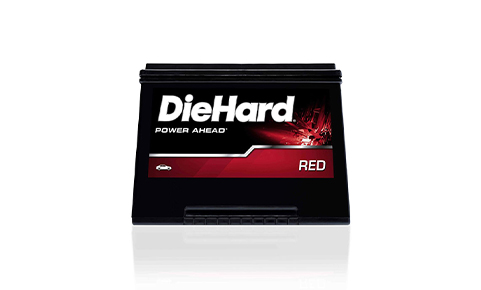
The DieHard series of batteries is one of the most well-known brands in the U.S. automotive industry, with a history spanning more than 50 years. Its Platinum AGM series is recognized by consumers for its strong starting power, high reserve capacity, and excellent performance under heavy loads. For car owners who value both performance and brand reputation and want easy access to high-quality AGM batteries through retail channels, DieHard is a trusted brand.
DieHard batteries are engineered to provide dependable starting performance in everyday driving. During development, testing generally concentrates on cold cranking ability, reserve capacity, charge recovery, and service life. The resulting data help verify that the battery continues to perform consistently throughout its expected lifespan.
Interstate
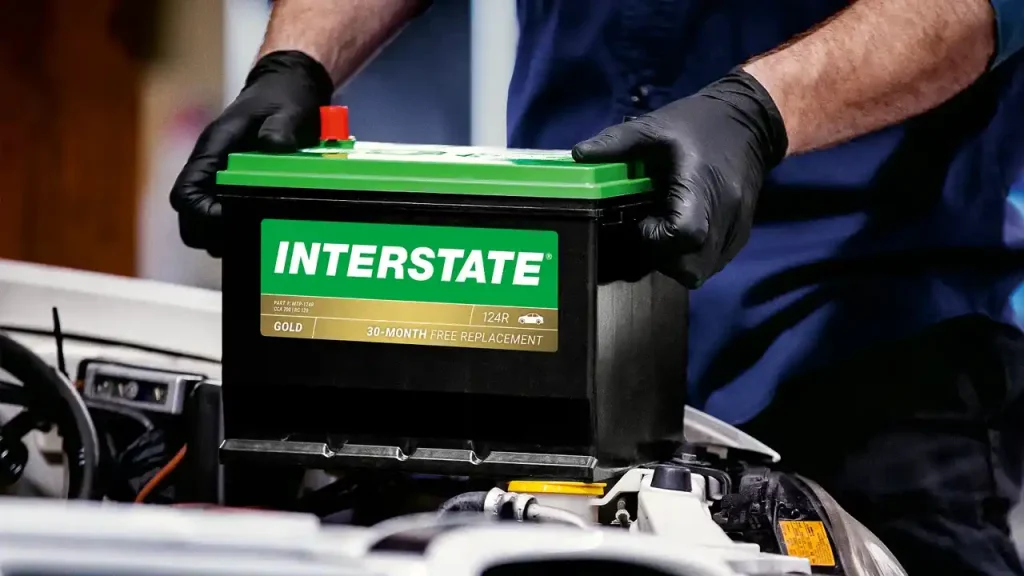
Interstate Batteries is one of the most well-known automotive battery brands in the North American market, recognized for its broad product range, high reliability, and consistent performance in daily use. Interstate MTX AGM batteries have consistently performed well in independent tests, particularly in terms of lifespan, reserve capacity, and reliability. They are typically suitable for users seeking long-term, stable operation rather than extreme performance.
Interstate batteries are suitable for passenger cars and fleets and offer reliable performance. Manufacturers not only measure the batteries’ peak capacity but also take into account factors such as starting reliability, cycle performance, reserve capacity, and service life. These results ensure that the batteries operate stably and reliably under a variety of conditions.
Motorcraft
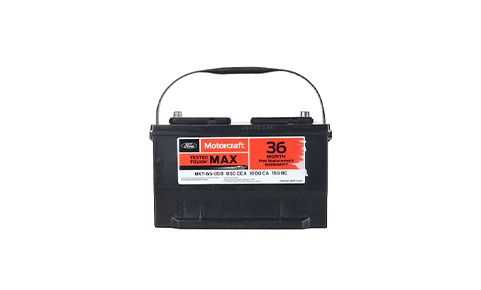
Motorcraft is an automotive parts brand under Ford Motor Company, and its battery products are primarily designed for Ford, Lincoln, and Mercury models. The key advantages of Motorcraft batteries include: high compatibility with the vehicle’s original equipment system; excellent installation fit; and compliance with OEM standards. Thanks to their seamless integration with the Ford service network, Ford dealers can easily perform replacements or repairs. If you’re looking for a product that matches the performance of your vehicle’s original battery, a Motorcraft battery is undoubtedly your best choice.
Motorcraft batteries are designed specifically for Ford and Lincoln vehicles. Their validation process includes testing for cold-start capability, charging efficiency, reserve capacity, and durability to ensure they work seamlessly with the vehicle’s original electrical system.
EverStart
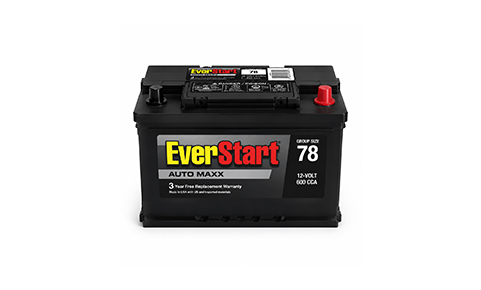
EverStart is one of the more common car battery brands on the U.S. market, sold primarily through Walmart. It offers a variety of products, including standard lead-acid batteries and AGM batteries. Its strengths lie in its affordable prices and wide availability. If you need an affordable and reliable replacement battery without breaking the bank, the EverStart AGM is the best choice. However, if you’re looking for durability and exceptional performance, you should consider other brands.
EverStart batteries are designed to provide an economical and reliable power source for everyday drivers. Testing criteria include parameters such as starting performance, reserve capacity, and basic durability; the goal is not to achieve peak performance, but to ensure reliability under normal usage conditions.
Antigravity
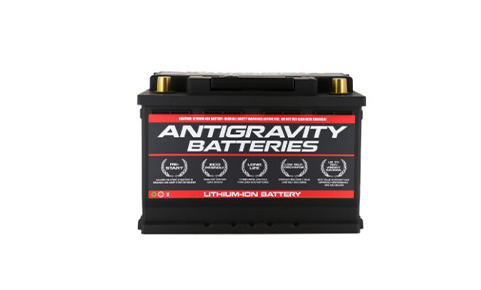
Antigravity Batteries is a high-end, specialized brand dedicated to producing lightweight lithium-ion batteries for sports cars, race cars, off-road vehicles, and power sports. Antigravity Batteries is renowned for its proprietary RE-START technology, which automatically recharges the battery to a sufficient level when it runs out of power, ensuring the engine starts smoothly. Compared to traditional lead-acid and AGM batteries, lithium-ion batteries offer: lower weight; higher energy density; and greater power output capability.
However, lithium-ion batteries also have stricter requirements regarding temperature, safety protection, and battery management systems (BMS), thus necessitating more comprehensive testing methods.
Unlike conventional lead-acid batteries, Antigravity batteries utilize lightweight lithium technology with an integrated Battery Management System (BMS). Engineers pay particular attention to charging characteristics, thermal performance, low-temperature behavior, and BMS functionality during validation. These evaluations help ensure both high performance and reliable protection under demanding operating conditions.
Car Battery Brand Comparison
| Brand | Typical Price (USD) | Battery Types | Best For | Typical Warranty |
|---|---|---|---|---|
| Optima | $250–$380 | AGM | Cold weather, SUVs, off-road vehicles | 3 years |
| Odyssey | $280–$450 | AGM | High-performance cars, trucks, heavy-duty applications | 3–4 years |
| ACDelco | $120–$260 | Flooded, AGM | GM vehicles, passenger cars, light trucks | 2–3 years |
| Bosch | $130–$320 | Flooded, AGM, EFB | Daily driving, European vehicles | 2–4 years |
| XS Power | $320–$650 | AGM | Audio systems, racing, motorsports | 2 years |
| DieHard | $150–$320 | Flooded, AGM | Daily driving, SUVs, pickup trucks | 3 years |
| Interstate | $120–$280 | Flooded, AGM | Family cars, fleet vehicles | 2–4 years |
| Motorcraft | $120–$260 | Flooded, AGM | Ford and Lincoln vehicles | 2–3 years |
| EverStart | $70–$220 | Flooded, AGM | Budget replacement, everyday vehicles | 1–3 years |
| Antigravity | $300–$900 | Lithium (LiFePO4), AGM | Performance vehicles, motorcycles, racing | 3–5 years |
Which Car Battery Brand Is Best for Different Needs?
There is no single battery that is right for everyone’s car. The choice depends on several factors, such as the car model, weather, driving habits, and cost considerations. Below are some scenarios and the battery brands that best suit them.
| If You Need… | Recommended Brand | Why |
|---|---|---|
| Best Overall Performance | Odyssey | Exceptional CCA, long cycle life, and premium AGM technology for demanding applications. |
| Best Value for Money | Interstate | Reliable performance, competitive pricing, and a strong reputation for everyday driving. |
| Best for Cold Weather | Optima | High cold cranking performance and AGM construction ensure reliable starts in low temperatures. |
| Best for Daily Driving | Bosch | Dependable quality, wide vehicle compatibility, and consistent performance for everyday use. |
| Best OEM Replacement | ACDelco | Designed to meet original equipment specifications, especially for GM vehicles. |
| Best for Ford Vehicles | Motorcraft | Engineered specifically for Ford and Lincoln models with excellent OEM compatibility. |
| Best for High-Power Audio & Racing | XS Power | Delivers stable high-current output for aftermarket audio systems and motorsports. |
| Best AGM Battery | DieHard | Strong reserve capacity, excellent start-stop performance, and reliable AGM technology. |
| Best Budget Replacement | EverStart | Affordable, widely available, and suitable for routine battery replacement. |
| Best Lightweight Lithium Battery | Antigravity | Advanced lithium technology with ultra-lightweight design and integrated RE-START protection. |
How Are Car Batteries Tested Before They Reach the Market?
Before being put on the market, automotive batteries usually undergo a series of performance and reliability tests to ensure they meet industry standards and vehicle application requirements.
- Capacity Test: The capacity test is used to verify whether the battery can output the rated capacity and to evaluate the battery’s endurance under standard charging and discharging conditions. For lead-acid batteries and AGM batteries, this is one of the most fundamental and important performance tests.
- Cold Cranking Amps, CCA: CCA measures how much current a battery can deliver at low temperature for engine starting. This is especially important for vehicles used in cold climates. A higher CCA rating usually means stronger cold-start performance.
- Reserve Capacity, RC: Reserve capacity indicates how long a battery can continue supplying power when the charging system is not operating. This is important for vehicles with high electrical loads, accessories, or emergency power requirements.
- Cycle Life Test: Cycle life measures how many charge-discharge cycles a battery can complete before its capacity drops below a defined level. This is one of the most important indicators of long-term reliability.
- Internal Resistance Test:Internal resistance affects voltage drop, heat generation, power delivery, and aging behavior. As a battery ages, internal resistance usually increases, which can reduce starting performance and overall efficiency.
- Charge and Discharge Efficiency: Charge-discharge efficiency indicates how much energy is retained during charging and discharging. Higher efficiency means less energy loss, lower heat generation, and better system performance.
For consumer car batteries, basic capacity, CCA, reserve capacity, and cycle life tests may be sufficient. However, for EV batteries, lithium automotive batteries, and high-voltage battery packs, more advanced testing systems are required.
EV Battery Test System
An EV battery test system is suitable for cell-level testing, including charge-discharge performance, capacity testing, cycle life testing, DCIR testing, SOC testing, and temperature characterization.
Battery Module 60V–300V Test System
A module test system is suitable for battery modules used in EVs, energy storage, and high-power applications. It can support module-level charge-discharge testing, cycle testing, current response evaluation, and performance validation.
Battery PACK 500V–1000V Test System
A battery pack test system is used for high-voltage battery packs. It helps evaluate pack-level performance, safety, thermal behavior, BMS coordination, and charge-discharge reliability.
Battery Test Software
Battery test software is essential for managing automated test procedures, monitoring test channels, analyzing data, and improving testing efficiency.
FAQ
Which car battery brand is the best?
There is no universal brand of batteries that will suit all types of cars. Optima and Odyssey are commonly chosen for optimum AGM power, ACDelco and Motorcraft are good OEM choices, XS Power is recommended for high current capacity, and Antigravity is used for low-weight lithium power.
Choice of battery will depend on car type, environment, load, budget, and anticipated lifespan.
What tests are used to evaluate automotive batteries?
Common car battery tests include CCA tests, reserve capacity tests, cycle life tests, internal resistance tests, charge-discharge tests, temperature tests, vibration tests, and safety tests.
Additional tests for EV batteries could be DCIR tests, state-of-charge characterization tests, thermal capability tests, and BMS tests.
How do manufacturers test battery cycle life?
Battery cycle life testing involves cycling the battery using a controlled current, voltage, temperature, and cutoffs. In this test, engineers measure capacity degradation, voltage behavior, internal resistance, and thermal effects after many cycles.
This test output will be used to determine the usable life of the battery.
What equipment is used for EV battery pack testing?
Testing of EV battery pack normally involves using a high-voltage battery pack test system. These types of systems can be used to conduct tests such as charging & discharging test, power test, cycle life test, BMS communication test, thermal performance test, and safety test.
In case of high-voltage EV battery packs, a 500V-1000V battery pack test system can be used.
Why is internal resistance important in battery testing?
Internal resistance affects voltage drop, power output, heating, and aging. Generally, a battery with low and consistent internal resistance tends to deliver power and generate less heat.
Monitoring internal resistance over time allows the engineers to measure battery aging and deterioration.
Why should battery testing be connected with temperature chambers?
Battery performance is highly dependent on temperature. Cold temperature decreases performance and capacity, while excessive heat can speed up battery aging and cause hazardous situations.
Through linking a battery testing system with a temperature chamber, it is possible to recreate the operational conditions and achieve better results.
How can Sinexcel RE support automotive and EV battery testing?
The Sinexcel RE series offers battery testing equipment at the cell, module, and pack levels. The equipment offered by this company is suitable for use in charge/discharge testing, cycle life testing, DCIR testing, temperature testing, and automated data collection.
For automotive battery research and development, there are choices such as EV Battery Test System, Battery Module Test System, Battery PACK Test System, and Battery Test Software based on voltages and currents required for various testing purposes.