Pull any small gadget out of a drawer — the old calculator, a spare remote, the luggage tracker you bought last year. Flip it over, pop the back off. There’s a decent chance a flat silver disc falls out. That’s been keeping things running, quietly, possibly for years. Nobody thinks about it until the device stops. This guide is for that moment — and ideally, the one before it.
What Is a 3V Battery?
Voltage is simply the pressure that pushes electrical current through a circuit. A 3V battery pushes at 3 volts — no more, no less under normal conditions. That specific number matters because the components inside small devices are built around it. Go above that threshold, and you risk frying sensitive circuits. Drop below it, and the device either gives up or starts acting strangely.
Take the CR2032. It’s the coin-shaped cell that shows up in more devices than any other 3V format — flat, round, 20mm wide and 3.2mm thick. The letters and numbers in the name aren’t random: “CR” points to the lithium manganese dioxide chemistry inside, “20” is the diameter in millimeters, and “32” represents the thickness as 3.2mm. That chemistry is what gives it such a long shelf life — years, sometimes a full decade, without meaningful self-discharge.
Shape isn’t everything, though. Three people can hold a CR2032, a CR123A, and a prismatic Li-Po cell — all 3V, all completely different in every practical way. Getting the shape wrong means the device won’t work even when the voltage and chemistry are correct.
3V Battery Voltage Chart
| Status | CR2032 / Li-MnO₂ | Li-Po | Alkaline 3V |
| Full | 3.0V – 3.3V | 3.0V – 3.7V | 3.0V – 3.2V |
| Good | 2.7V – 3.0V | 2.8V – 3.0V | 2.7V – 3.0V |
| Low — replace soon | 2.4V – 2.7V | 2.5V – 2.8V | 2.4V – 2.7V |
| Dead | Below 2.4V | Below 2.5V | Below 2.4V |
A couple of things this chart doesn’t show: a Li-Po reading 3.0V isn’t full — depending on the cell, that’s closer to half charge. And a CR2032 sitting at 2.8V will run a watch fine, but may not have the capacity left to sustain a digital camera through a photo session.
Context matters. “Low” in a passive sensor might mean weeks of serviceable life remaining. In a flashlight you’re counting on in the dark, that same reading means change it before you leave the house.
Common Models and What They’re Used For
Coin cells are the flat, round ones most people recognize. CR2032 is the most common by a wide margin — car remotes, wristwatches, hearing aids, medical sensors, calculators. The CR2025 and CR2016 look similar but are thinner and designed for specific compartments. Swapping a CR2025 into a slot built for a CR2032 is a mistake people make often; the thinner cell sits loose, and the device behaves as if the battery is dead.
The CR123A is the cylindrical one worth knowing — 17mm across, 34mm long, and built for devices that actually pull current. Digital cameras and quality flashlights are common examples. The math is simple: a coin cell in one of these devices drains in hours. A CR123A handles a full day of use.
Prismatic cells are slim and rectangular, built into phones, tablets, and compact cameras. Not something you’d typically replace yourself — they’re soldered or glued inside the device.If you want to know more about the various types of batteries in detail, If you want to know more types, you can refer to this article 3V Batteries: Common Types and Capacity Testing
Chemistry: Why It Matters More Than Most People Think
Voltage and size can match perfectly, while chemistry makes two batteries perform completely differently under identical conditions. Here’s what separates them.
Lithium Manganese Dioxide (Li-MnO₂) sits between -40°C and +85°C without complaint, loses almost nothing to self-discharge over a decade in storage, and powers low-drain equipment reliably for years. That combination — stable output, long shelf life, wide temperature range — is why it’s the standard for medical equipment, car remotes, and anything that might go untouched for a long stretch before someone needs it.
Lithium Thionyl Chloride (Li-SOCl₂) operates from -55°C on the cold end up to 150°C at the top, and its energy density beats every other portable format on the market. Industrial meters, military hardware, infrastructure sensors that nobody services for years — that’s where this chemistry lives. The electrolyte inside is genuinely hazardous. Don’t open these.
Lithium Polymer (Li-Po) is inside your phone. Rechargeable, thin, lightweight — but service life runs maybe 2–3 years before capacity starts to noticeably drop. Protection circuitry is non-negotiable with this chemistry to keep charging conditions safe.
Alkaline is the practical, cheap option for low-demand devices: wall clocks, basic remotes, children’s toys. Shelf life is around five years. Not suitable anywhere precision or reliability matters.
Warning Signs That Your 3V Battery Is Failing
By the time a battery reads low on a multimeter, it’s usually been causing subtle problems for a while. These are the symptoms that show up first.
A device that reboots without any input, or drops its saved settings randomly — that’s not a software glitch. During brief spikes in current demand, a weakening battery can’t keep up; the device loses power for a fraction of a second, and it restarts. The voltage at rest still looks fine when this happens, which is why it’s easy to misdiagnose.
Display brightness dropping or flickering is almost always the battery, not the screen. The display driver needs a steady voltage to operate at full brightness. When the supply gets inconsistent, output drops.
A key fob that used to unlock the car from across a parking lot now needs to be right next to the door handle — that’s a battery problem. Wireless transmitters need a stable current to broadcast at range. As a battery ages and internal resistance climbs, current delivery gets inconsistent, and range shrinks.
Slow startup or delayed response often gets blamed on the device itself. Startup sequences demand a burst of current. When the battery can’t deliver that cleanly, things hesitate. Often written off as a software issue when the battery is the actual culprit.
Intermittent faults are the most frustrating to diagnose. A device that works when you press the button harder may have a battery that’s swollen slightly and making poor contact. One that just randomly works and doesn’t is likely failing under load intermittently.
Voltage under 2.5V — at that point, replacement is non-negotiable for anything that matters.
A battery that reads fine at rest but falls apart under current draw has high internal resistance. That’s what load testing catches that a standard voltage check misses entirely.
Compatibility: Same Voltage Isn’t Good Enough
Voltage matching is the minimum requirement, not the full picture.
Before buying anything, check the manual. Manufacturers list specific models because the device was tested and designed around a particular battery’s discharge curve, current capacity, and physical dimensions. Substituting based on voltage alone is a gamble.
Thickness matters more than people expect. CR2032 is 3.2mm thick; CR2025 is 2.5mm. Drop the thinner one into a slot built for the thicker one, and it may sit loose, making intermittent contact. The device will seem broken — it just doesn’t have a solid electrical connection.
Match chemistry to the power demand. Li-MnO₂ coin cells work beautifully in watches, clocks, and sensors that draw microamps. Put one in a camera that pulls hundreds of milliamps during a shot, and it’ll drain in an hour. The CR123A exists specifically because some devices need sustained current delivery that a coin cell isn’t built for.
When cells at different states of charge sit in the same circuit, the charged one forces current through the depleted one. That generates heat. Heat causes leakage. Leakage damages the device. Don’t mix old and new batteries in multi-cell devices.
When Things Go Wrong: Troubleshooting
New battery, device still won’t start. Flip the battery. Coin cells are polarity-specific, and the compartment label fades. If orientation is right, check the metal contacts — corrosion breaks the circuit even when the battery is fine. A dry cloth on the terminals often fixes it.
The battery runs out far faster than it should. Three likely causes: temperature (cold degrades output temporarily; heat degrades it permanently), a standby mode that’s drawing more than expected, or the wrong battery chemistry for that device’s load profile. Figure out which, and address it.
Leaking or swollen battery. Leakage in coin cells is almost always a dead battery that stayed in the device too long. Swelling in Li-Po cells means overcharging or overheating. Gloves on, remove them carefully, and clean the contacts before reassembling. A corroded contact is not self-healing.
The multimeter gives erratic readings. Test a known-good battery and compare. If the problem follows the battery, the cell has an internal fault. If the problem stays regardless of which battery you test, the issue is the probes or the meter.
Voltage reads fine; device still underperforms. Internal resistance. The cell holds its resting voltage but can’t deliver current under load without sagging. Load test it or replace it — the open-circuit number is lying to you about what the battery can actually do.
Lifespan by Chemistry
- CR2032 (Li-MnO₂):10 years in storage. Active use: 1–5 years depending on what the device pulls.
- Li-SOCl₂:10+ years, including continuous industrial use.
- Li-Po:2–3 years typical. Daily cycling shortens that.
- Alkaline:~5 years on a shelf. Much shorter under real load.
The same coin cell that powers a wall clock for seven years will drain in an afternoon running a GPS tracker on a hiking trip. The battery isn’t defective — the application is different.
Can You Recharge a 3V Battery?
Most of them, no. The CR2032 and nearly all coin cells are primary cells — single-use by design. Trying to push charge back into them generates heat inside the cell. That leads to leakage and sometimes rupture. There’s no technique that makes it safe.
Li-Po is different. It’s built for charging, with onboard circuitry to manage the process. The rules for keeping Li-Po batteries healthy: use the right charger, don’t leave it plugged in overnight after it hits 100%, and try to avoid draining it to zero before charging. Keeping it between 20% and 80% extends the number of usable cycles significantly.
Unsure whether a battery is rechargeable? The label will say. If it doesn’t, treat it as single-use.
Pros and Cons Worth Knowing
The case for lithium 3V batteries is real — high energy density packed into a small format, decade-long shelf life for the primary types, and a temperature tolerance that covers most real-world conditions from cold storage to summer heat.
The limits are also real. Cost runs higher than standard AA or AAA cells, which adds up if you’re replacing them in volume. High-drain devices chew through coin cells faster than the price justifies. And when they’re done, they need proper disposal — lithium chemistry in household landfill is an environmental problem, not just a regulatory one.
Making Batteries Last Longer
Keep them somewhere cool and stable. Not a junk drawer next to the stove, not a cabinet in the bathroom — heat and humidity both accelerate self-discharge. Original packaging or a sealed plastic case works fine.
Pull batteries from devices you’re not using. Many devices draw a small current in standby even when switched off. Over months, that adds up, and a dead battery left in a device can leak. Two seconds to remove it avoids both problems.
Clean the contacts occasionally. Oxidation on the terminals increases resistance. A dry cloth is enough — no chemicals needed.
For rechargeable types: don’t leave them on the charger after they’re full, don’t drain them to zero if you can avoid it, and use the charger the device was designed for.
Safety
Button batteries and small children are a documented emergency combination. A swallowed CR2032 doesn’t pass safely — the current it generates in contact with tissue causes internal burns within hours. Loose batteries need to be out of reach, and any device a child can open should be checked regularly.
Don’t try to charge primary cells. Don’t puncture or crush any lithium cell — the chemistry inside is dangerous when exposed. Don’t put dead lithium batteries in the household bin; take them somewhere that accepts them properly.
If a battery has leaked and left residue behind, don’t touch it bare-handed. The electrolyte is caustic. Gloves on, clean carefully, dispose properly.
How to Actually Test a 3V Battery

Open-circuit voltage takes ten seconds and gives you one data point. It says nothing about whether the battery can hold that voltage when your device actually draws current. Plenty of batteries read 2.9V on a multimeter and die within thirty seconds of real use.
Voltage alone does not confirm battery health. A battery with normal open-circuit voltage may have significantly depleted capacity or high internal resistance. Accurate assessment means measuring voltage, capacity, and internal resistance together — that’s the standard for professional battery diagnostics.
Open-Circuit Voltage Test
The basic check. Useful as a starting point, not a conclusion.
Equipment: any digital multimeter.
Set it to DC Voltage (V⎓), range above 3V — the 10V or 20V setting. Red probe to the positive terminal, black to the negative. Read the number.
CR2032 fresh from packaging: 3.0–3.3V. Above 2.7V, it’ll generally handle low-drain devices. Below 2.5V, replace it. But a reading between 2.7V and 3.0V only tells you the battery has charge — it says nothing about whether that charge is accessible under load.
Load Test
This is what separates a functional battery from one that’s fooling the multimeter.
A load tester applies a small current draw — simulating real device conditions — while measuring voltage. A good battery holds steady. A degraded one drops the moment current flows noticeably. Most dedicated battery testers have this built in. Some advanced multimeters do too. For anything where battery failure would be a real problem — a medical device, a camera you’re taking somewhere remote, a security sensor — don’t skip this step. Open-circuit testing alone has burned people before.
Internal Resistance Test
Chemical capacity depletes as batteries age, and as it does, the internal resistance of the cell increases. Higher internal resistance means the battery bleeds energy as heat rather than delivering it to the device. Voltage sags under load, devices underperform, and a standard multimeter test gives no warning.
Measuring internal resistance requires a battery analyzer or a multimeter with AC impedance testing capability. The instrument applies a small alternating signal and measures how much the battery resists it. It’s not a consumer-level test, but it’s the one that catches batteries that pass voltage checks and still cause problems.
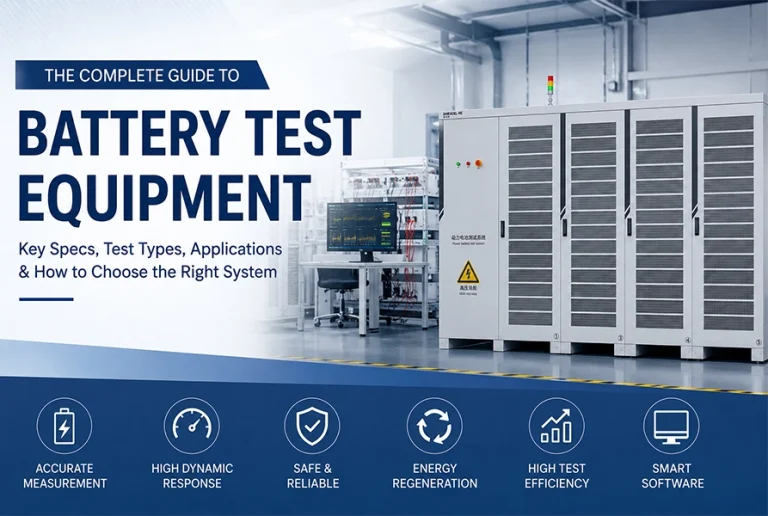
For critical applications, a professional testing system that covers all three metrics — voltage, capacity, resistance — is the only way to know with confidence what a battery will actually do in service.
Choosing the Right One
- Watches, remotes, calculators, key fobs: Standard choice for a reason.
- Cameras, quality flashlights: Built for the current draw these devices require.
- Phones, smartwatches, fitness trackers:Built-in Li-Po — how you charge it matters more than which one you buy.
- Industrial sensors, harsh environments, long deployments:Li-SOCl₂.
- Clocks, basic remotes, low-demand household devices:Alkaline if cost is the priority.
The manual lists the right model. That recommendation exists because the device was tested with that specific cell. Matching the voltage on a substitute is not the same thing.
Closing
A voltage number is where battery assessment starts, not where it ends. A cell that reads 2.9V at rest may still reset your device, cut wireless range, or fail the moment it’s under real load. Knowing the warning signs and understanding what a multimeter can and can’t tell you puts you ahead of the problem before the device fails at a bad moment.
Sinexcel RE helps individuals and businesses make informed decisions at every level of power management — from single-cell applications to full system design. If you need guidance on battery selection, testing equipment, or anything in the power space, our team will give you a straight answer. Contact Sinexcel RE today.