So your watch stopped overnight. Now you’re staring at a code stamped into something barely bigger than a fingernail clipping, trying to figure out whether “SR621SW” on the packet is even the right battery for the case in front of you. It happens more than people think. Manufacturers slap different codes on the exact same cell depending on the country and the brand, so the same tiny battery can look like ten different products on a store shelf. Here’s a rundown of what SR621SW actually means, what those spec numbers are telling you, which codes genuinely count as equivalents, how to test and replace the battery, and roughly how long it should last before you need to do this again.
What Is an SR621SW Battery?
SR621SW refers to a silver oxide button cell, 1.55V nominal. The “SR” part tells you it’s silver oxide chemistry — that’s the giveaway. “SW” usually points to a low-drain build, although a few manufacturers apply the letters loosely and use them on standard variants too, so don’t treat the suffix as gospel.
Here’s the thing that actually separates silver oxide from a cheaper alkaline cell of the same size: how the voltage holds up over time. Alkaline batteries fade gradually from the moment you install them. Silver oxide doesn’t. It holds close to 1.55V for almost the entire discharge cycle, then drops off sharply right near the end. Put one of these in a wristwatch and you get accurate timekeeping practically until the day the battery dies, rather than a slow drift that starts weeks in advance.
Where does it turn up in real life? Wristwatches mostly, plus small calculators, key fobs, and laser pointers — basically anything built to sip a tiny, steady current for years rather than pull heavy bursts of power.
SR621SW Battery Specifications
Numbers shift slightly by manufacturer, but a cell from Sony, Murata, Energizer, or Renata will land close to this:
| 规格 | 价值 |
| 化学 | Silver oxide (Ag2O) |
| 额定电压 | 1.55V |
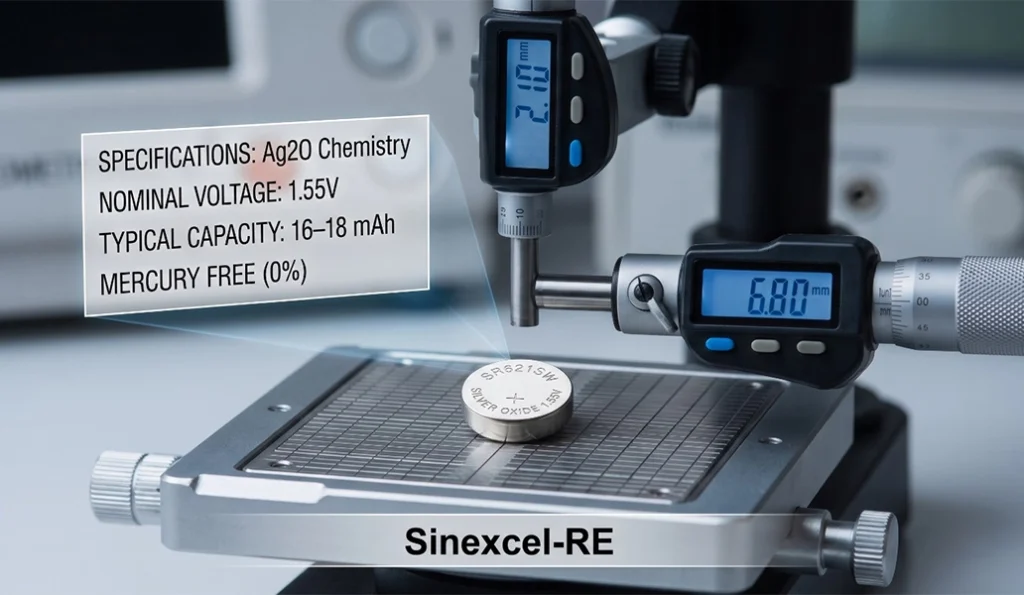
| Diameter | 6.8 mm |
| Height | 2.1 mm |
| 典型容量 | 16–18 mAh |
| 可充电 | 没有 |
| Mercury content | 0% (mercury-free) |
| Typical shelf life | 3-5 年 |
| Operating temperature | Roughly -10°C to 60°C |
Capacity differs between brands mostly because of electrode design and manufacturing tolerance. A premium brand might squeeze an extra milliamp-hour or two out of the same footprint, and over a couple of years of runtime, that small edge decides whether a battery lasts or quits a season early.
Size tolerance matters just as much, arguably more. At 6.8mm across, there’s almost no margin for error — a cell off by a fraction of a millimeter can sit loose, lose contact intermittently, or not fit the compartment at all. That’s a manufacturing headache before it’s ever your problem, which is why coin cell producers lean so heavily on precision test equipment to catch these flaws before a bad batch ships.
SR621SW Voltage Chart
Voltage is really the whole story with a silver oxide cell, since it barely moves for most of the battery’s working life and then falls off a cliff near the end. Here’s roughly what a reading tells you at each stage:
| 电池状况 | Typical Voltage (No Load) | What It Means |
| Brand new, unused | 1.55V – 1.58V | Full capacity, straight from the pack |
| Normal working range | 1.52V – 1.55V | Healthy — this is where it sits for most of its life |
| Getting low | 1.45V – 1.51V | Still usable, but worth replacing soon |
| End of life | Below 1.40V | Little to no usable capacity left |
| Under load (device running) | 0.05V – 0.15V lower than resting | Normal dip while actually powering a device |
That flat middle band is exactly why a quick voltage check can be misleading if you catch the battery a day or two before it fails — it can still read close to 1.5V and then die suddenly, which is part of why a load test (covered below) catches problems a simple reading sometimes misses.
SR621SW Battery Equivalents
Because naming conventions aren’t standardized across regions, the same physical cell ends up wearing a dozen different labels. If “SR621SW” isn’t printed anywhere on what you’re holding, check for these:
SR60, SR621, AG1 / AG-1, 364 / 364A / 364X, LR621 / LR60 / LR620, SG1, G1, 164 / GP164, S621E, D364 / V364 / E364, T, SW621, SB-AG.
Not every code on that list is a true equivalent, though, and that distinction matters more than the size match does. Here’s how they actually break down by chemistry:
Equivalent Battery Chart
| Code | 化学 | Directly Interchangeable with SR621SW? |
| SR621SW / SR621 / SR60 | Silver oxide | Yes — same cell, different label |
| 364 / 364A / 364X | Silver oxide | Usually yes — confirm the “SR” marking on the pack |
| S621E / SW621 / SB-AG | Silver oxide | Typically yes — brand-specific naming for the same cell |
| 164 / GP164 | Silver oxide | Usually yes — worth double-checking capacity rating |
| D364 / V364 / E364 | Silver oxide | Usually yes — cross-check the manufacturer code |
| AG1 / AG-1 | Silver oxide or alkaline | Sometimes — check the packaging before buying |
| SG1 / G1 | Silver oxide or alkaline | Sometimes — same caution as AG1 |
| LR621 / LR60 / LR620 | 碱性 | No — same size, different chemistry and performance |
| T | Retailer-specific / ambiguous | No — confirm chemistry before buying |
The short version: codes starting with SR are silver oxide and behave like the original battery. Codes starting with LR are alkaline — they’ll physically fit, but the voltage sags gradually instead of staying flat, which throws off precision timekeeping over the long run. AG1, SG1, and G1 sit in a gray zone where the chemistry depends on the retailer, so don’t buy on the code alone. When it matters, look for “silver oxide” or the Ag2O symbol printed on the packaging.
AG1 is probably the trickiest one on the list. Depending on the retailer, it gets used for both chemistries, so don’t assume the code alone tells you what’s inside. Look for the Ag2O symbol or the words “silver oxide” printed somewhere before you commit to a purchase — especially if the goal is restoring the watch’s original accuracy rather than just getting it ticking again.
SR621SW vs 364
Of all the cross-reference codes out there, 364 causes the least confusion, because it’s almost always genuinely the same battery. Energizer and Renata both sell a 364 that’s silver oxide, 1.55V, and built to the same 6.8mm x 2.1mm footprint as the SR621SW. In most catalogs and most watch manuals, you’ll actually see “SR621SW / 364” listed together as one product, not two.
The one thing worth checking is the manufacturer’s own code on the packaging — some regional listings use “364” loosely for a standard, non-“SW” low-drain variant. The practical difference between those two versions is small enough that it rarely affects a wristwatch, but if a device is picky about current draw, it’s worth confirming the exact code rather than assuming 364 always means identical performance.
SR621SW vs LR621
LR621 looks like a straightforward substitute — same 6.8mm x 2.1mm size, same holder, drops right in. The chemistry is where it stops being equivalent. LR621 is alkaline, not silver oxide, and alkaline cells discharge on a downward slope instead of holding flat. A watch running on an LR621 will start losing accuracy gradually as the voltage sags, well before the battery is actually dead.
For a device that just needs to power on — a basic calculator, a cheap flashlight — that slow decline usually doesn’t matter much. For a watch, or anything where precise, consistent voltage actually affects performance, LR621 is a stopgap at best. It costs less up front, but it trades away the flat discharge curve that makes silver oxide worth using in the first place. If accurate timekeeping is the goal, stick with an SR-prefixed cell.
常见应用
This is a low-drain, precision cell, and it shows up consistently in a fairly specific set of devices:
- Analog and digital wristwatches
- Small calculators
- Key fobs and remote entry devices
- Pedometers and fitness trackers
- Laser pointers
- Small LED and keychain lights
What ties this list together is low, steady current draw, nothing more. That’s the exact workload silver oxide chemistry was built for, and it’s why the SR621SW shows up so consistently across this particular set of devices rather than a broader catch-all list.
How to Test an SR621SW Battery
Don’t chuck a battery the second something stops working. Testing it first can save a wasted trip to the store, since half the time the battery isn’t even the real problem — a corroded contact or a stuck switch can look identical to a dead cell from the outside.
What You’ll Need
- A digital multimeter set to DC voltage (2V range, if available)
- A dedicated coin cell or load tester, if you have access to one
- A second device that takes the same battery, for a cross-check
- Plastic tweezers or a soft cloth for handling the cell
Step-by-Step Voltage Test
Set the multimeter to DC voltage and touch the red probe to the positive terminal, black to the negative. A healthy SR621SW reads close to 1.55V at rest. Once a reading drops under roughly 1.4V, treat the cell as done — it may still register something on the meter, but it won’t reliably power a device.
Why a Resting Reading Isn’t the Whole Story
A voltage reading with nothing connected can be misleading. A weak battery sometimes shows a perfectly reasonable number sitting idle, then collapses the instant a device actually draws current from it. This is exactly the flat-then-cliff discharge pattern covered in the voltage chart earlier — a cell can look fine right up until it isn’t. That’s why testing under an actual load, not just at rest, gives a more honest picture of what’s really left in the battery.
Multimeter Test vs. Load Test
| Test Type | What It Measures | 最适合 | Limitation |
| Multimeter (No-Load) Test | Open-circuit voltage with nothing drawing current | A quick first check, no special tools needed | Can still show a near-normal reading on a cell that’s about to fail under real use |
| 负载测试 | Voltage while a simulated current draw is applied | Catching weak cells before they fail in the device | Needs a coin cell or load tester rather than a basic multimeter |
目视检查
Give the battery a visual once-over too. Corrosion, leakage, or a case that looks swollen or oddly shaped means toss it immediately — no further testing needed, and no attempt to reuse it.
Cross-Testing in a Second Device
If you’ve got a second device that takes the same battery, swap the suspect cell in and see what happens. Works fine there? Then the original device has a different issue — check the switch or the contact springs before blaming the battery again.
From Single-Cell Testing to Production-Scale Verification
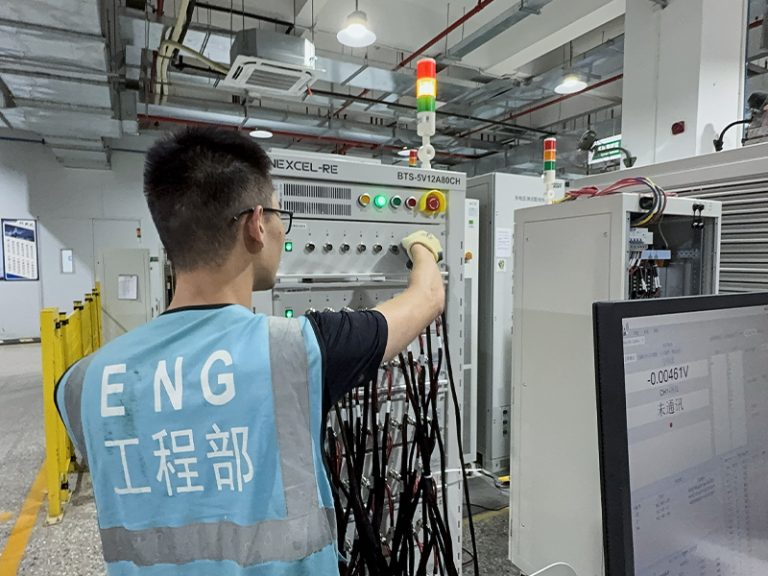
Everything above works fine for one battery in one watch. Scale that same question up to a production line, and it stops being a five-minute check. A manufacturer isn’t testing one cell — they’re verifying voltage, internal resistance, and capacity across thousands of cells per batch, and they need every result to be consistent and repeatable, not just “close enough” on a handheld meter. A weak batch that slips through at this stage doesn’t show up as one dead watch battery; it shows up as a warranty problem or a reliability complaint across an entire product line months later.
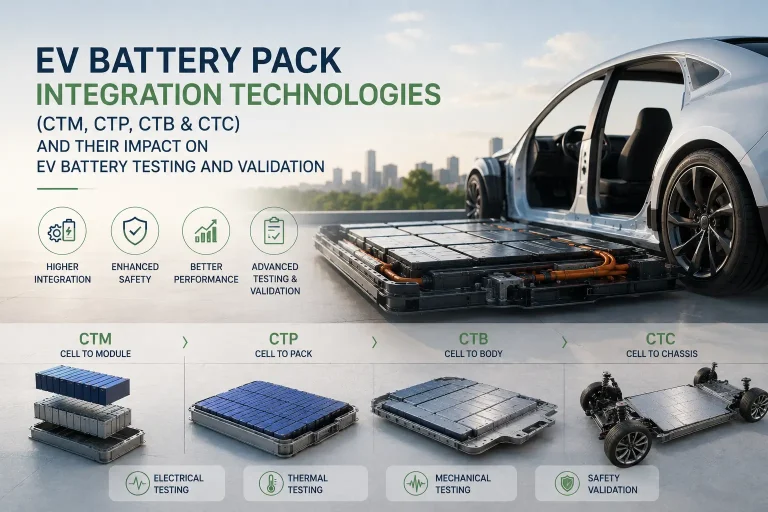
R&D teams face a related but different challenge: they’re not just confirming a cell works, they’re characterizing exactly how it performs — discharge curves under different loads, behavior across a temperature range, cycle consistency between production runs. None of that is something a multimeter or a basic load tester can capture with the precision needed to catch subtle defects or validate a new cell design. That’s the gap purpose-built battery test equipment closes, and it’s the exact problem Sinexcel-RE’s precision test systems are built to solve — giving manufacturers and R&D teams accurate, repeatable measurement whether they’re working with tiny coin cells, IT batteries, EV cells, or full energy storage packs.
How Long Does an SR621SW Battery Last?
There’s no single answer here, since it depends entirely on what’s drawing power from the cell. A basic analog watch with no backlight or extra features is about as low-drain as it gets, so it tends to squeeze the most life out of a single SR621SW. Add a backlight, an alarm, or a digital display, and the runtime drops noticeably, since those features pull meaningfully more current even when they’re only in use for a few seconds at a time.
| 设备类型 | Typical Battery Life |
| Basic analog watch (no extra features) | 1 – 2 years |
| Digital watch with backlight or alarm | 6 months – 1.5 years |
| Calculator (light daily use) | 1 – 3 years |
| Pedometer or fitness tracker | 6 months – 1 year |
| Laser pointer (occasional use) | Several months – 1 year |
| Unused battery in storage | 3 – 5 years shelf life |
A few other things move that number around: cold temperatures reduce a silver oxide cell’s effective capacity, cheaper off-brand cells tend to fall short of their rated mAh figure, and any device left in a drawer still draws a tiny standby current even when it’s not actively being used. If a battery dies noticeably earlier than these ranges suggest, it’s worth testing under load before assuming the device itself has a problem.
How to Replace an SR621SW Battery
Swapping a button cell is mostly simple, but a couple of small missteps can shorten the new battery’s life or damage the device outright, so it’s worth doing carefully rather than rushing.
First, confirm you’ve got the right battery. Check the device manual or the old cell’s markings against the equivalents chart above — grabbing alkaline instead of silver oxide by accident hurts performance even when the size matches perfectly.
Next, open the compartment. Watches usually need a small screwdriver or a case-back opener; calculators and key fobs often have just a latch or a single screw. Work over a clean, well-lit surface, since a battery this small disappears the moment it hits carpet.
Before pulling the old battery free, note the polarity — a quick photo settles any doubt. Most compartments mark the positive side with a “+” symbol, and putting the replacement in backward can leave the device dead or, rarely, damage the circuit. Handle the old cell without touching the terminals directly, since skin oils leave residue that interferes with contact. Plastic tweezers or a soft cloth work fine for grip.
Seat the new battery the same way the old one sat, positive side matching, and press until it settles fully into the holder — anything resting at an angle won’t make reliable contact even if it looks fine from outside. Close everything up and test right away: a watch’s second hand should move, a calculator should power on and run a basic calculation. Nothing happening usually means the orientation or contact is off, so reopen and check.
Last step, easy to skip: dispose of the old battery properly. Silver oxide cells contain recoverable materials, and plenty of electronics retailers and recycling centers take them free. Skip the household trash — some regions restrict it by law, and the small size makes these a genuine swallowing hazard around kids and pets.
Tips to Extend Battery Life
A few small habits stretch an SR621SW’s working life further than you’d expect:
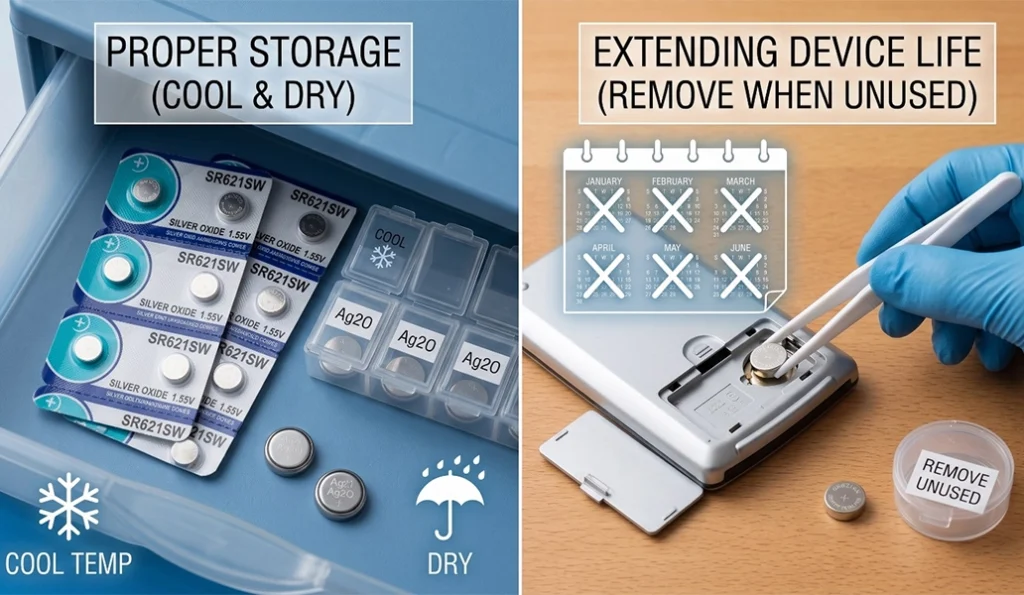
- Keep spares cool and dry, out of direct sunlight.
- Leave unused batteries in their original packaging — loose terminals can short against coins or keys in the same pocket.
- Never mix old and new cells in a device running on more than one battery.
- Pull batteries out of devices sitting unused for a while, especially ones with a backlight or extra features.
结论
It’s a tiny battery, but the SR621SW quietly keeps a surprising number of everyday devices running. Knowing the real specs, the genuine equivalents versus the near-misses, and how to test and replace one properly saves both money and the occasional pointless trip to the store. Whether you’re swapping a single watch battery at the kitchen table or evaluating coin cells by the thousand on a production line, the gap between a battery that performs as promised and one that fails early almost always traces back to how accurately it was measured.
That’s the exact problem Sinexcel-RE works on. The company builds precision battery testing equipment that helps manufacturers and research labs verify voltage, capacity, and reliability across the full spectrum — from milliampere-level coin cells up to full-scale EV and energy storage systems. If getting battery performance right the first time actually matters for your work, take a look at Sinexcel-RE’s battery test equipment and see what precision testing does for product quality from the ground up.
常见问题解答
What voltage should a new SR621SW battery read?
A fresh cell typically reads between 1.55V and 1.58V on a multimeter with nothing connected. Anything in the 1.52V–1.55V range still counts as healthy — that’s actually where the battery sits for most of its working life. It’s only once the reading drops below about 1.4V that the cell is genuinely near the end.
How can I tell if an SR621SW battery is dead?
The clearest sign is a device that won’t power on at all, or a watch whose second hand has stopped moving. A multimeter reading under roughly 1.4V confirms it. Because silver oxide cells hold voltage flat until very close to the end, a battery can seem fine one day and be completely dead the next — so if a device fails suddenly with no warning, a dead battery is the most likely explanation, not necessarily a device fault.
Is SR621SW the same as 364?
In almost every case, yes. 364 and SR621SW refer to the same silver oxide cell, and most manufacturers list them together as one product. The only caveat is a rare regional listing where “364” refers to a standard, non-“SW” low-drain variant — worth a quick check on the packaging if the device is unusually sensitive to current draw.
Is SR621SW the same as LR621?
No, not truly, even though it fits the same slot. LR621 is alkaline rather than silver oxide, and it loses voltage gradually instead of holding it flat. It’ll power most simple devices fine, but a watch running on an LR621 will drift out of accurate time before the battery is technically dead. Stick with an SR-prefixed cell if the device needs to stay precise.
Is SR621SW the same as AG1?
Usually, but not always. Some retailers list AG1 as silver oxide, identical to the SR621SW; others use it for an alkaline equivalent instead. Don’t rely on the code alone — check the packaging for “silver oxide” or the Ag2O symbol if matching performance actually matters.
Is the SR621SW battery rechargeable?
No. Silver oxide button cells, including the SR621SW, are single-use primary batteries. Attempting to recharge one isn’t just ineffective — it can cause leakage, overheating, or rupture, since these cells aren’t built with the internal structure that rechargeable chemistries need to handle repeated charge cycles safely.
How long does an SR621SW battery last?
It depends on the device. A basic analog watch typically gets 1 to 2 years of steady use; anything with a backlight or extra digital features drains faster, sometimes lasting only several months. See the battery life table above for a fuller breakdown by device type.
What happens if I install the battery backward?
Usually the device just won’t turn on, since the circuit isn’t getting power the right way — rarely catastrophic on the first try. That said, forcing it in or repeatedly powering the device with reversed polarity can damage the contacts over time, so it’s worth checking the “+” marking before closing things up.