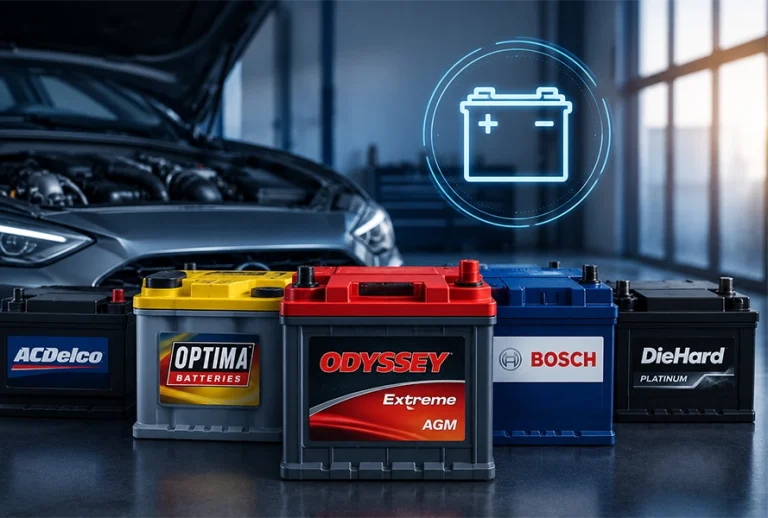
Electric and hybrid vehicles use two separate battery systems: a standard 12伏电池系统, which powers auxiliary equipment (such as headlights, windshield wipers, ECUs, and multimedia systems); and a high-voltage battery system, which powers the propulsion system. In modern hybrid, plug-in hybrid, and all-electric vehicles, the voltage of the high-voltage system ranges from 48 volts to 800 volts, depending on the vehicle’s level of hybridization—ranging from mild hybrids (approximately 48 volts), full hybrids (200–300 volts), plug-in hybrids, and pure electric vehicles (300–400 volts), to the more advanced 800-volt systems used in models such as the Porsche Taycan and Kia EV6/EV9.
Increases in voltage and capacity mean that testing such systems becomes more complex. High-voltage batteries are critical components for the safe and efficient operation of vehicles, so extensive testing is required to ensure that everything functions properly throughout the entire process—from design and manufacturing to operation. This article will discuss testing issues related to high-voltage electric vehicle batteries.
Why High Voltage Battery Testing Matters
High voltage battery systems introduce risks and performance considerations that don’t exist in traditional 12V systems — higher energy density, higher fault currents, and more complex thermal and electrical behavior under load. Rigorous testing is what allows engineers to confirm that a battery system performs reliably, degrades predictably, and fails safely under abnormal conditions.
Effective high voltage battery testing emulates real-world operational scenarios — varying electrical, climatic, and load conditions — rather than relying on a single fixed test condition. This is what makes the results representative of how the battery will actually behave once it’s in a vehicle.
Function Test Checks
Function tests confirm that the battery system and its Battery Management System (BMS) behave correctly under normal operating conditions. Key checks include:
- Communication interface verification — confirming the BMS communicates correctly with the vehicle and test system, and that supported protocols are functioning as specified
- Charge/discharge pulse testing — applying defined charging and discharging pulses while continuously monitoring State of Charge (SoC)
- BMS status reporting — verifying the BMS accurately reports battery status throughout the test sequence
安全测试检查
Safety testing is critical for high voltage systems given their operating voltage and the range of conditions they may encounter in service. Key checks include:
- Crash signal response — confirming the battery disconnects correctly upon receiving a crash signal
- Relay shutdown behavior — monitoring safe, immediate closure of output relays to cut power to the vehicle system
- BMS functionality under fault conditions — verifying the control unit can read individual cell data to assess per-cell health
- Insulation testing — confirming insulation resistance meets required safety thresholds
Core Test Categories for High Voltage EV Batteries
Beyond function and safety checks, high voltage battery validation typically includes the following test categories:
| Test Type | What It Evaluates | 重要性 |
|---|---|---|
| 容量测试 | Total energy the battery can deliver, measured through charge/discharge cycling | Confirms the battery meets its rated energy specification |
| 周期寿命测试 | Battery degradation across repeated charge/discharge cycles | Predicts usable service life and warranty performance |
| 内阻测试 | Resistance affecting power capacity and heat generation (DCIR and ACIR methods) | Indicates power delivery capability and early signs of degradation |
| 热性能测试 | Behavior at high and low operating temperatures | Validates performance and safety across real-world climate conditions |
| 快速充电验证 | Charging speed and safety under fast-charge conditions | Confirms the battery and BMS handle high-current charging safely |
| 安全测试 | Insulation, short-circuit, overcharge, crash-signal response, and emergency shutdown | Verifies the system fails safely under abnormal or hazardous conditions |
Internal resistance testing in particular connects closely to the function and safety checks above — for a closer look at how resistance is measured and what it reveals about degradation, see our guide to DCIR testing.
高压电动汽车电池测试设备
Testing high voltage EV batteries requires equipment capable of simulating real-world operating and fault conditions at scale. Common equipment includes:
- Battery cycler systems — for controlled charge-discharge testing
- Environmental chambers — for thermal performance validation across temperature ranges
- High-voltage battery test systems — for functional and safety testing at pack level
- Electrochemical Impedance Spectroscopy (EIS) systems — for degradation analysis
- BMS communication and validation tools — for protocol testing and fault-response verification (see our guide to BMS testing systems for battery pack validation for a closer look at this category)
Selecting the right combination of equipment depends on the battery’s voltage and current range, the test level (cell, module, or pack), and which of the categories above the test program needs to cover.
Selecting High Voltage Car Batteries
如果你有一辆电动汽车,你必须更换它的电池,那么你的选择并不多。每辆车的电源系统在制造时都被设计为支持特定的电压,或最多支持特定的电压范围。已安装的动力系统使您只能选择标称电压在上述范围之间的电池。无论如何,如果您在购车前考虑电池电压,就必须考虑一些性能因素,如性能、充电时间、价格、可用的配套基础设施、续航能力和重量。不得不提的是,从本质上讲,所有电池都是一样的。电池模块和电池单元的数量是使所有这些电池系统相互区别的唯一差异。.
部分 重要因素 在此进行详细讨论。为了明确概念,我们以 400V 和 800V 电池系统为例,因为这两种电池系统是目前最成熟、最有前途的类型。在此,将对这两种方案进行详细比较。.
充电时间 随着电池标称电压和电池尺寸的增加,相关充电站及其电流输出也会发生变化。在 400V 充电站中,输出电流不能超过极限值,以尽量减少损耗、降低发热量并确保安全。在 800V 电池系统中,充电站将以 800V 或 600 至 900V 的电压范围提供电流。因此,需要较小的电流来为电池快速充电。因此,与 400V 电池系统相比,800V 电池系统的充电速度更快。.
性能: 电池电压也会影响汽车的性能特征。在加速过程中,汽车需要更高的能量。如果使用 400V 电池系统,则需要更大的电流来提供所需的加速度。电线的容量、安全考虑和损耗会促使系统将电流保持在较低的安全范围内,这可能会影响性能,例如加速曲线。另一方面,对于 800V 电池系统,由于电压较高,电流较小,因此很容易按照要求的速度轨迹运行。.
让我们讨论一下 400V 和 800V 系统电动汽车的另一个性能参数--再生制动,以澄清立场。与 400V 电池相比,800V 电池能更快地吸收更多能量。因此,800 伏电池比同类电池更高效。.
在续航里程方面,800V 电池系统将使电动汽车更加高效,并确保延长续航里程。.
重量 如前所述,要为任何用途提供相同的功率,800V 电池系统需要提供的功耗都会减少。因此,电源系统可以采用更细的电缆和更轻的组件。这也是因为较低的电流可降低热损耗。因此,800V 电池系统将减轻电动汽车的重量。.
充电基础设施:目前,用于 400V 系统的充电基础设施已经发展得相当成熟。因为几乎所有的汽车制造商都在设计和生产标称电压为 400V 的汽车,这已成为一种标准。无论如何,用于 800V 电力系统的充电基础设施还没有发展起来,因此需要对这方面进行特别考虑,以便从这些高压系统中获益。还必须指出的是,400 伏充电站可用于 800 伏汽车电池系统,但汽车中需要特殊的电子电路来支持低压充电器。.
价格 规模经济对每种产品都有影响,因此电池的生产也受此影响。电压较低的电池在市场上已经存在了很长时间。它们的大规模生产、先进的研究和利用率的提高使其价格下降。另一方面,电压高达 800V 的电池市场规模并不大,在电动汽车中的使用也未形成规范。此外,这些电池的设计和生产也缺乏研发。因此,目前 800V 电池的成本远远高于其他电池。.
一旦对所有这些方面进行了讨论,并对不同类型的电池(基于电压等级)进行了比较,您就可以选择合适的电池或电压等级合适的电动汽车。您必须考虑到安全性、周围的充电基础设施、预算、您的使用情况以及最短的充电时间。.
测试高压汽车电池
电池系统或电池模块是电动汽车的核心。因此 测试 电池测试和分析对于保证电池和汽车的安全、良好性能和延长使用寿命至关重要。对于高压汽车电池测试而言,模拟实时运行场景是关键所在,在这种场景下,要改变电气、气候和负载条件并进行测试。.
功能测试检查:
功能测试包括一系列测试。在此,将提及几项重要的功能测试。.
通信接口的存在和正确工作对电动汽车的运行至关重要。因此,在功能测试检查中,要确保通信接口正常工作。在这项测试中,电池被连接上高压电,电池管理系统被用来检查电池的状态。通过定义的充电脉冲对电池充电、放电,并持续检查 SoC(充电状态)。此外,还执行功能测试,以检查支持的协议是否到位。.
安全测试检查
由于高压蓄电池的工作电压和车辆运行条件各不相同,因此安全检查对高压蓄电池非常重要。在安全检查中会进行各种测试。例如,监测电池在收到碰撞信号时是否关闭。我们的 高压电池测试系统 它包括监控输出继电器是否安全并立即关闭,以便切断车辆系统的电源。在安全检查过程中,要检查 BMS 是否完全正常,控制单元是否能够单独读取所有电池,以便估算每个电池的健康状况。 在安全测试期间,还要对绝缘进行测试。.
高压汽车电池如何测试?
容量测试
通过充放电测试对汽车电池的总能量进行测试。.
周期寿命测试
考虑到多次充放电循环后电池的性能衰减。.
内阻测试
考虑到电池的内阻会影响功率容量和发热。.
热性能测试
测量高温和低温工作状态下的性能。.
快速充电验证
测试充电能力和快充相关的安全性。.
安全测试
包括绝缘测试、短路测试、过充测试、碰撞信号模拟和紧急关断验证。.
高压电动汽车电池测试设备
测试高压电动汽车电池需要先进的电池循环仪和集成测试系统,这些系统能够模拟实际运行条件。.
常用设备包括:
• 电池循环器系统 用于充放电测试
• 环境舱用于热验证
• 用于功能和安全测试的高压电池测试系统
• 用于降解分析的电化学阻抗谱 (EIS) 系统
• 电池管理系统(BMS)通信和验证工具
这些系统有助于工程师在整个电池开发过程中评估电池的性能、安全性和长期可靠性。.
结论
High voltage batteries are among the most critical — and most expensive — components in an electric vehicle, and their performance and safety depend directly on the rigor of the testing behind them. A complete test program spans function checks, safety validation, and the core categories of capacity, cycle life, internal resistance, thermal performance, and fast-charging behavior, backed by equipment capable of reproducing real-world operating conditions.
Looking to validate a high voltage EV battery system? Explore our high voltage EV battery testing solutions for equipment covering function, safety, and performance validation across cell, module, and pack levels.
FAQs About High Voltage EV Battery Testing
What voltage range do high voltage EV batteries operate at?
Depending on the vehicle type, high voltage systems typically range from around 48V in mild hybrids up to 800V (600–900V range) in newer high-performance EV architectures.
What’s the difference between function testing and safety testing?
Function testing confirms the battery and BMS operate correctly under normal conditions (communication, charge/discharge behavior, SoC tracking). Safety testing confirms the system responds correctly to abnormal or hazardous conditions, such as crash signals, insulation faults, or short circuits.
What equipment is needed to test a high voltage EV battery?
A typical test program requires battery cycler systems, environmental chambers, high-voltage test systems, EIS equipment for degradation analysis, and BMS communication/validation tools.
Why is internal resistance testing important for high voltage batteries?
Internal resistance affects both power delivery capability and heat generation, and tends to increase as a battery degrades — making it a useful indicator for both performance and state-of-health assessment.
Can 400V and 800V batteries be tested with the same equipment?
Not always. Equipment needs to match the voltage and current range of the battery under test, and 800V systems in particular require test systems rated for their higher voltage range and appropriate safety isolation.